Tolerance for a drug might be completely independent of the drug's capability to produce physical dependence. There is no entirely appropriate explanation for physical reliance. It is thought to be related to central-nervous-system depressants, although the difference in between depressants and stimulants is not as clear as it was when believed to be.
All levels of the central nerve system appear to be involved, however a classic feature of physical reliance is the "abstaining" or "withdrawal" syndrome. If the addict is abruptly denied of a drug upon which the body has physical dependence, there will occur a set of responses, the strength of which will depend on the quantity and length of time that the drug has been used.
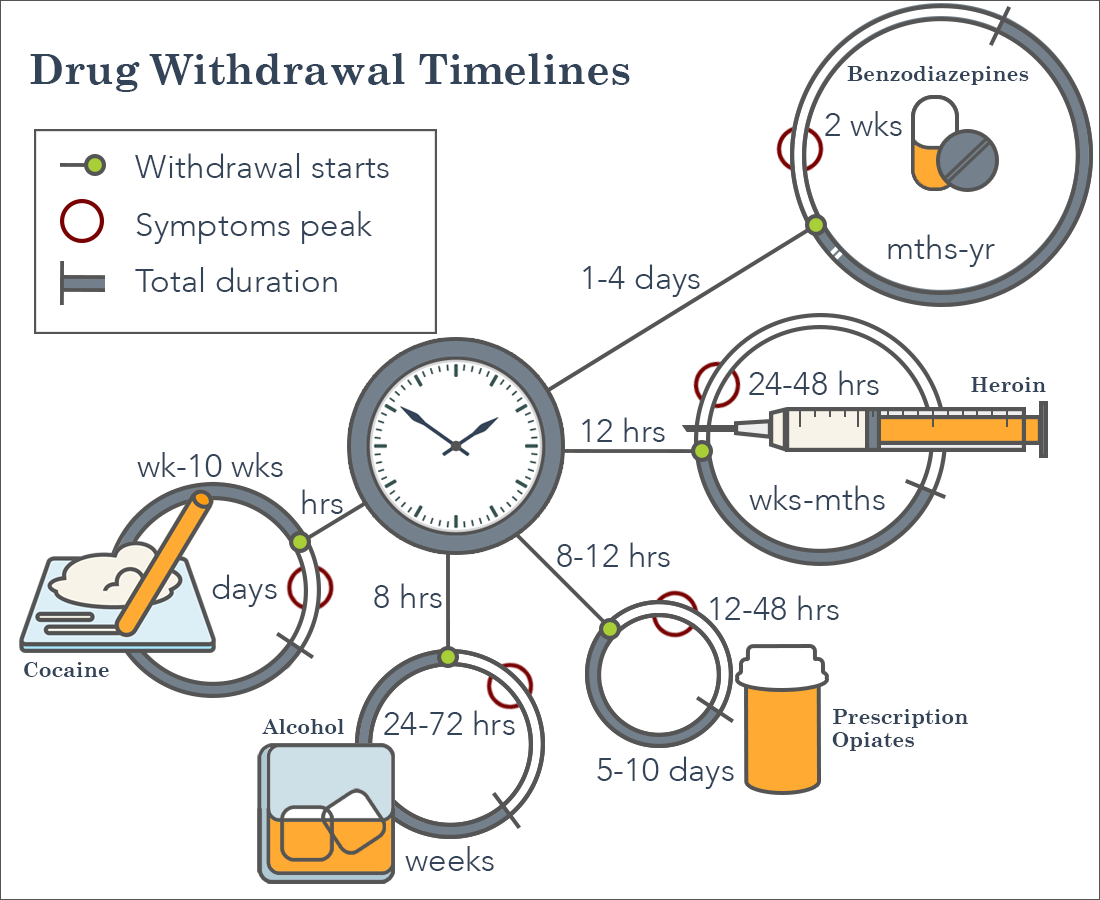
At first there is yawning, tears, a running nose, and perspiration. The addict lapses into a restless, fitful sleep and, upon awakening, experiences a contraction Drug Rehab Delray of students, gooseflesh, hot and cold flashes, severe leg pains, generalized body aches, and consistent motion. The addict then experiences serious insomnia, queasiness, throwing up, and diarrhea.
These signs continue through the third day and then decline over the duration of the next week. There are variations in the withdrawal reaction for other drugs; in the case of the barbiturates, minor tranquilizers, and alcohol, withdrawal may be more unsafe and severe. Throughout withdrawal, drug tolerance is lost rapidly.
It is necessary to comprehend the significance of the terms tolerance, reliance, and addiction when discussing drug abuse and making use of prescription medications such as opioid painkillers. Unfortunately, both experts and lay individuals frequently misuse these terms, leading to the misconception that tolerance, dependence, and dependency are simply various names for the same thing.
The most crucial distinction between these concepts is that tolerance and dependence refer to the physical effects of substance abuse. In contrast, addiction is a descriptive term that refers to a requirement to take part in damaging behavior such as substance abuse. Drugs that result in the advancement of tolerance and physical reliance frequently have the potential to trigger dependency, however not always.
Some Known Details About Why Is Drug Addiction Considered A Disease
Individuals can establish tolerance to both illegal drugs and prescription medications. As mentioned above, tolerance is a physical impact of repeated use of a drug, not always an indication of dependency. For instance, clients with persistent pain regularly establish tolerance to some effects of prescription discomfort medications without establishing an addiction to them.
Drug abuse frequently results in intense tolerance. Experiments have revealed that after a very first dosage of cocaine, test topics experience a blissful high and an increase in heart rate and high blood pressure. Nevertheless, in spite of almost doubling the levels of drug in the blood, a second dosage of cocaine 40 minutes later does not lead to a dose-dependent increase in the "favorable" results of the drug, consisting of an additional boost in heart rate or blood pressure 2.
People who regularly abuse prescription opioids build up chronic tolerance to the blissful results of these medications, leading a number of them to increase the dose taken or change to more potent ways of taking these drugs, such as snorting or injecting tolerance might arise from frequent exposure to specific drugs.
Experimental studies have shown that Check out here drinkers can make up for the results of alcohol on their coordination when they practice a task consistently while under the influence 3. However, this tolerance vanishes if the task is changed. Lastly, many drugs have more than one result, and. Abusers of illegal and prescription opioids, such as heroin or oxycodone (OxyContin), rapidly develop tolerance to the blissful high these drugs produce however not to the unsafe negative effects of (slowed breathing rate).
The words dependence and dependency are typically used interchangeably, however there are important differences between the two. In medical terms, dependence specifically describes a physical condition in which. If an individual with drug dependence stops taking that drug unexpectedly, that person will experience foreseeable and quantifiable signs, understood as a withdrawal syndrome.
A prime example is prednisone, a synthetic form of the steroid hormonal agent cortisol that is utilized to treat asthma, allergies, Crohn's illness, and many other inflammatory conditions. Prednisone is not known to produce addiction. However, if a patient has taken prednisone for several weeks and then stops unexpectedly, they are likely to suffer from withdrawal signs such as fatigue, weakness, body aches, and joint pain 4. would most quickly result in dependence or addiction would be:.
The Best Guide To What Factors Cause Drug Addiction
In the case of prednisone, the body adapts to repeated doses of the drug by reducing its own cortisol production, which can leave the body without a standard level of cortisol "support" when prednisone usage is stoppedresulting in steroid withdrawal signs until the typical balance is re-established. Drug dependence is a condition.
For clients who have actually established dependence as an adverse effects of taking a needed medication (e. g., an opioid pain reliever), a doctor can use the (slowly reducing the dose of the drug gradually) to reduce withdrawal. For individuals who are dependent on illicit or prescription drugs due to abuse instead of medical need, might likewise use a controlled taper and/or medications to avoid serious withdrawal signs.
For instance, individuals detoxing from heroin are typically offered a longer-acting opioid like methadone or buprenorphine to reduce withdrawal signs and cravings. Detox is a fairly short-term procedure lasting numerous days to numerous weeks that helps drug abusers securely stop taking drugs while preventing dangerous withdrawal symptoms. While the detox process is a needed step towards recovery, detox does little itself to treat addiction in the long term.
Just as some drugs that trigger dependence are not addicting, there are likewise extremely addictive drugs that do not produce physical withdrawal symptoms. Even after long periods of abuse, psychostimulant drugs, including cocaine and methamphetamine, do not produce pronounced physical withdrawal signs like vomiting and shaking, although there can be psychological symptoms such as depression, anxiety, and drug yearnings 6.
According Alcohol Rehab Center to the National Institute on Substance Abuse (NIDA), dependency is a 7. Simply put, addiction is an unmanageable or overwhelming requirement to use a drug, and this compulsion is lasting and can return unexpectedly after a period of enhancement. Addiction is a psychological condition that explains an obsession to take a drug or participate in other harmful behaviors.
Addictions are consistent, and addicted people can regression into substance abuse after years of abstaining. Although addiction utilized to be believed of as an indication of moral weakness, it is now comprehended by the bulk of those in the substance abuse and dependency treatment sphere to be a condition that occurs in association with changes in the brain triggered by making use of addictive substances.
A Biased View of Which Of The Following Best Defines Drug Addiction?
To the addicted brain, getting and taking drugs can actually feel like a matter of life and death. Addicting drugs promote enjoyment and motivation paths in the brain much more strongly than natural benefits. Therefore, duplicated direct exposure to these drugs can fool the brain into prioritizing drug-taking over normal, healthy activities.